No VOC Epoxy Resin: Safer Formulations for Indoor Projects

Working with traditional epoxy resin in your home studio raises legitimate concerns. The smell hits you first, sharp, chemical, unmistakable. Then come the headaches, perhaps some dizziness if ventilation isn't adequate.

No VOC epoxy resin eliminates volatile organic compounds that release harmful fumes into your workspace. These formulations contain 100% solids that fully react during curing, producing no off-gassing or respiratory irritants. The result is epoxy suitable for indoor use without requiring industrial ventilation or causing health concerns.

Understanding what makes these products different, and truly safer, helps you select appropriate materials for art projects, crafting, jewelry making, and other applications where air quality matters.

What Are VOCs and Why They Matter

Volatile organic compounds are chemicals that easily evaporate at room temperature, releasing vapours into the air you breathe.Traditional epoxy often contains solvents and non-reactive diluents that make the resin thinner and easier to work with. These additives don't become part of the cured epoxy, they simply evaporate during and after application.

Common VOCs in standard epoxy

  • Solvents that reduce viscosity
  • Non-reactive diluents for flow improvement
  • Chemical thinners for easier mixing

The problem isn't just the smell. VOC exposure affects respiratory health, particularly with repeated use in enclosed spaces.

Short-term effects include headaches, dizziness, eye irritation, and nausea. Long-term exposure creates more serious concerns, respiratory distress, potential organ damage, and increased health risks that accumulate over time.

Indoor Air Quality Impact

When you use traditional epoxy indoors, VOCs release into your home or studio for hours or even days.

Poor ventilation concentrates these compounds in your breathing space. Even with windows open, VOC levels can remain elevated long after you've finished your project.

This becomes particularly concerning for:

  • Home studios in small rooms
  • Crafting spaces shared with family
  • Projects created near sleeping areas
  • Workshops where children or pets are present

No VOC formulations change this entirely. Without volatile compounds to evaporate, indoor air quality remains unaffected by your resin work.

How No VOC Epoxy Resin Works

The chemistry behind VOC-free formulations differs fundamentally from standard products.

100% solids composition means every component in the container becomes part of the cured epoxy. Nothing evaporates. The resin and hardener react completely, transforming from liquid to solid through chemical bonding rather than solvent evaporation.

Standard epoxy might be 80-90% solids, with the remaining 10-20% being volatile carriers that disappear during cure. No VOC epoxy contains zero volatile carriers, it's entirely reactive components.

The Role of Formulation Chemistry

Creating VOC-free epoxy requires different base materials and careful formulation balancing.

Manufacturers select resin systems that naturally have appropriate viscosity without needing solvent reduction. The trade-off sometimes involves:

1. Slightly thicker consistency

2. Potentially longer working time

3. Different mixing characteristics

However, modern formulations largely overcome these differences. Many no VOC products work identically to traditional epoxy from the user's perspective, just without the fumes.

Odour Characteristics

"No VOC" doesn't automatically mean "odourless," though the terms are often confused.

No VOC epoxy typically has minimal odour, perhaps a faint chemical smell if you put your nose right above the mixed resin. Compare this to traditional epoxy's strong, pervasive smell that fills entire rooms.

The difference matters practically. With no VOC products, you can work comfortably at your crafting table without needing respirators or feeling driven from the room by fumes.

Health and Safety Advantages

The primary benefit is respiratory protection, but advantages extend beyond just breathing easier.

Reduced Respiratory Irritation

Working without VOC exposure means no burning sensation in your nose or throat, no coughing from fumes, and no headaches that linger after your crafting session ends.

People with asthma, allergies, or respiratory sensitivities particularly benefit from VOC-free formulations. These products allow creative work that might otherwise trigger breathing problems.

Family and Pet Safety

No VOC epoxy creates safer home environments.

You can work on projects in shared spaces without worrying about exposing family members to harmful vapours. Parents particularly appreciate formulations that don't release chemicals when children are nearby.

Pets are often more sensitive to air quality than humans. VOC-free products eliminate concerns about harming animals in your home.

Understanding "Non-Toxic" Claims

Here's something important: "no VOC" doesn't automatically mean "completely non-toxic."

Uncured epoxy resin, even VOC-free formulations, can still cause skin irritation or allergic reactions in some people. The compounds that create the cured plastic are reactive chemicals that should be handled with appropriate care.

Proper handling still requires:

  • Gloves during mixing and application
  • Eye protection if splashing is possible
  • Avoiding skin contact with uncured material
  • Working in reasonably ventilated spaces

The difference is you're protecting against chemical contact rather than protecting against airborne fumes. Once cured, high-quality no VOC epoxy is genuinely inert and safe for various applications.

Certifications and Standards

Third-party testing provides verification that products meet safety claims.

ASTM D4236 Certification

This certification evaluates art materials for chronic health hazards.

Products meeting ASTM D4236 standards have been tested by independent laboratories and certified safe for art use. The certification specifically addresses:

  • Toxic substance content
  • Proper labelling requirements
  • Health hazard assessment

Look for this certification when selecting no VOC epoxy for art projects or crafting applications.

Food Safe Ratings

Some no VOC epoxy products carry food safe certifications, typically meeting FDA requirements for indirect food contact. Food safe doesn't mean you should eat the epoxy, it means cured items can safely contact food surfaces without leaching harmful compounds.

BPA-Free Formulations

Bisphenol A (BPA) raises health concerns in some epoxy formulations.

Quality no VOC products increasingly use BPA-free chemistry, eliminating this potential concern entirely. Check product specifications if BPA-free status matters for your intended application.

Applications and Project Types

No VOC epoxy suits surprisingly diverse creative and functional applications.

Art and Crafting Projects

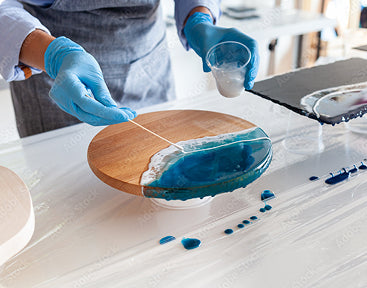
Resin art, jewellery making, and decorative crafts represent primary applications.

Common creative uses:

  • Resin paintings and wall art
  • Jewellery casting and embedding
  • Decorative coasters and trays
  • Keychains and small accessories
  • Tumblers and drinkware decoration

The crystal-clear finish and excellent pigment integration make no VOC formulations ideal for artistic work. Colours remain vibrant, and clarity stays consistent through the curing process.

Functional Indoor Applications

Beyond purely decorative work, no VOC epoxy handles functional applications.

Coating countertops, sealing wood surfaces, creating bar tops, and protecting furniture all work well with appropriate no VOC formulations. The absence of fumes makes these home improvement projects practical without evacuating your house during application.

Mould Casting

Silicone moulds paired with no VOC epoxy create excellent casting systems.

The lack of fumes becomes particularly valuable when doing multiple pours in a single session. Traditional epoxy's vapours accumulate with repeated batches. No VOC formulations allow extended work sessions without air quality deterioration.

Floor Coating Considerations

Some no VOC epoxy products work for floor applications, though this requires careful product selection.

Floor coatings demand abrasion resistance, chemical resistance, and durability beyond what decorative formulations provide. Verify the specific product is rated for flooring if that's your intended use, not all no VOC formulations offer adequate hardness for foot traffic.

Terrazzo-style floors sometimes incorporate epoxy systems. Here again, confirming the product's suitability for this demanding application matters more than assuming any epoxy will work.

Working with No VOC Epoxy Resin

Application techniques for VOC-free products closely match traditional epoxy methods, with some minor differences.

Mixing Requirements

Most no VOC epoxy uses simple 1:1 or 2:1 mixing ratios by volume.

Measure components accurately using graduated containers. Pour resin and hardener together, then stir thoroughly for 4-5 minutes. Scrape sides and bottom of your mixing container to ensure complete blending.

The viscosity of no VOC products sometimes feels slightly different from solvent-thinned epoxy. It might pour a bit thicker or level slightly slower, neither affects final results if you allow adequate working time.

Working Time and Cure Schedule

Pot life varies by product but typically ranges from 30-45 minutes.

This gives you adequate time to mix, pour, spread, and address any bubbles before the resin begins to gel. Temperature affects working time, warmer conditions accelerate the reaction and reduce the time before gelling occurs.

Typical cure timeline:

  • Tack-free surface: 12-24 hours
  • Demould time: 24-36 hours
  • Full cure: 72 hours
  • Maximum hardness: 7 days

Don't rush the cure process. While the surface may feel hard after 24 hours, full chemical reaction takes longer. Patience produces better final properties.

Achieving Crystal Clear Results

No VOC formulations typically cure crystal clear when properly applied.

Tips for clarity:

  • Mix slowly to minimize air incorporation
  • Allow mixed resin to sit 2-3 minutes for bubbles to rise
  • Use heat gun or torch to remove surface bubbles
  • Pour in thin layers for deep projects
  • Maintain consistent temperature during cure

UV stabilizers included in quality formulations help maintain clarity over time. This prevents the yellowing that can occur with inferior products exposed to sunlight.

Colour and Pigment Integration

No VOC epoxy accepts pigments and dyes readily.

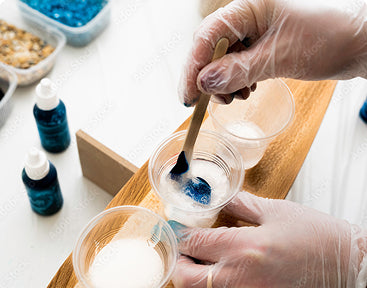
Alcohol-based liquid dyes and powder pigments both work well. Mix colourants into the resin component before adding hardener for even distribution.

The clear base allows brilliant colour saturation. Pigmented pours remain vibrant through curing without the dulling that sometimes occurs with lower-quality products.

Why Trust Epoxy King?

Quality Assurance

Quality Assurance

We guarantee top-quality epoxy resin products that are made to achieve the highest safety standards with our food-safe resin coating, ensuring your peace of mind.

Expertise

Expertise

With years of experience in the industry, we have the knowledge and expertise to provide you with the best solutions for your food-safe projects.

Variety

Variety

Our extensive range of epoxy resin products offers options for every need and budget, ensuring that you find the perfect fit for your project.

Customer Satisfaction

Customer Satisfaction

At Epoxy King, customer satisfaction is our priority. We strive to exceed your expectations with our products and service, earning your trust and loyalty.

Reliability

Reliability

When you choose Epoxy King, you can count on reliable products and dependable service every time. Trust us for all your food-safe epoxy needs and experience the difference.

Frequent Questions

Here’s a comprehensive FAQ that covers various aspects

Does no VOC epoxy resin still require ventilation during use?

While no VOC epoxy doesn't release harmful vapours, working in reasonably ventilated spaces remains advisable for general comfort and proper curing conditions. The absence of volatile compounds means you don't need industrial exhaust systems or respirators that traditional epoxy demands. Simple airflow from an open window or standard room ventilation suffices. Temperature and humidity control matter more than aggressive ventilation for no VOC products. Maintaining 60-80°F with moderate humidity produces optimal curing results. The key difference is ventilation becomes about comfort and cure conditions rather than protecting against toxic fume exposure.

Can no VOC epoxy resin be used for outdoor projects?

Many no VOC formulations include UV stabilizers that make them suitable for outdoor applications, though performance varies by specific product. Check whether your chosen epoxy includes UV protection before using it for exterior projects. Some no VOC products prioritize indoor air quality over weather resistance, making them less suitable for outdoor exposure. UV-stabilized no VOC formulations typically handle outdoor conditions well, maintaining clarity and structural integrity through sun exposure and temperature cycling. Verify the product specifications indicate outdoor suitability rather than assuming all no VOC epoxy works exteriors. Marine-grade applications may require specialized formulations beyond standard no VOC products.

How does no VOC epoxy resin compare in strength to traditional formulations?

No VOC epoxy typically matches or exceeds the mechanical properties of traditional solvent-containing formulations. The 100% solids composition actually creates stronger cured material since nothing evaporates during cure, all material becomes part of the solid structure. Tensile strength, flexural strength, and chemical resistance generally equal or surpass standard epoxy products. The absence of solvents doesn't compromise performance characteristics. Some manufacturers specifically engineer no VOC formulations to outperform traditional products in durability testing. Always check technical data sheets for specific strength values, but expect performance comparable to conventional epoxy with the added advantage of safer application conditions.

Is no VOC epoxy resin more expensive than standard epoxy products?

No VOC formulations typically cost slightly more than basic epoxy products, though prices increasingly overlap as these formulations become mainstream. The price difference reflects higher-quality base materials and more sophisticated chemistry required to achieve VOC-free performance. However, value extends beyond initial cost, no need for expensive ventilation equipment, respirators, or protective gear reduces overall project expenses. Health benefits and ability to work comfortably indoors add value that simple price comparison doesn't capture. Many crafters and artists find the modest price premium worthwhile for improved working conditions and peace of mind about air quality and long-term health effects.

Does no VOC certification mean the epoxy is completely safe to touch?

No VOC certification addresses airborne volatile compounds but doesn't eliminate the need for skin protection during handling. Uncured epoxy components, even in VOC-free formulations, remain reactive chemicals that can cause skin irritation or allergic sensitization with repeated exposure. Always wear nitrile gloves when mixing and applying epoxy, regardless of VOC content. Once fully cured, no VOC epoxy becomes inert and safe for normal contact. The certification means you're protected from breathing harmful vapours, not that you can handle liquid resin without precautions. Proper safety practices include gloves, eye protection if splashing is possible, and avoiding prolonged skin contact with uncured material.

Can no VOC epoxy resin yellow over time like traditional epoxy?

Quality no VOC formulations with UV stabilizers resist yellowing significantly better than standard epoxy products. The inclusion of UV inhibitors protects against the breakdown that causes yellowing in sunlight exposure. Indoor applications typically maintain clarity indefinitely when using properly formulated no VOC products. Outdoor or sunlight-exposed projects may show minimal yellowing over many years, though high-quality formulations dramatically slow this process compared to products without UV protection. The absence of solvents doesn't increase yellowing risk, in fact, 100% solids formulations often resist discolouration better than solvent-thinned products. Check that your chosen no VOC epoxy specifically includes UV stabilizers if maintaining long-term clarity is important for your application.

Create Safer Projects with Epoxy King

Your health matters as much as your creativity. Epoxy King no VOC resin systems deliver professional results without compromising indoor air quality or respiratory health. Our formulations meet rigorous safety standards while providing the crystal-clear finish and reliable performance your projects demand. Stop choosing between quality and safety, browse our range of VOC-free epoxy products and experience the difference that truly safe resin makes in your workspace.