Quality Assurance
We guarantee top-quality epoxy resin products that are made to achieve the highest safety standards with our food-safe resin coating, ensuring your peace of mind.
Your new countertop looks stunning, until someone drags a plate across it and leaves a visible mark. Or maybe you're planning a bar top that needs to withstand glasses, bottles, and daily use without showing wear.
Scratch resistant epoxy resin protects surfaces through enhanced hardness and cross-linking density that resist abrasion from everyday objects. Premium formulations achieve Shore D hardness ratings of 83-100, providing durable protection for countertops, bar tops, tables, and other high-traffic applications where appearance matters long-term.
Understanding what creates scratch resistance, and the difference between resistant and proof, helps select appropriate products for surfaces that must maintain their appearance through years of use.
Not all epoxy provides equal scratch protection. The chemistry and formulation determine how well the cured surface resists damage.
Shore D hardness measures surface hardness on a standardized scale.
Higher numbers indicate harder surfaces that better resist scratching and indentation. Budget epoxy formulations might achieve Shore D 70-75. Premium scratch resistant products reach Shore D 83-90 or higher after full cure.
That difference matters in practical use. A ten-point improvement in Shore D translates to noticeably better resistance against plates, utensils, and objects moving across the surface.
The molecular structure of cured epoxy determines its mechanical properties.
When resin and hardener react, they form three-dimensional networks where molecular chains link together. Higher cross-linking density creates a tighter, more rigid structure that resists deformation and surface damage.
Premium formulations optimize:
1. Resin molecular weight
2. Hardener selection and ratio
3. Curing temperature profile
4. Post-cure treatment
Each factor influences the final cross-linking density and resulting hardness.
Some manufacturers incorporate specialized additives that boost scratch resistance beyond standard formulations.
Polycarbonate additives are perhaps the most effective enhancement. These materials integrate into the epoxy matrix during cure, creating a harder surface layer that resists scratching while maintaining the clarity and gloss epoxy is known for.
Other performance additives include:
1. Nano-silica particles for surface hardness
2. Ceramic microspheres for abrasion resistance
3. Modified amines for improved cross-linking
The specific additive system varies by manufacturer, but the goal remains consistent, creating surfaces that withstand daily use without visible damage.
Here's something important: scratch resistant doesn't mean scratch proof.
Even the hardest epoxy formulations can be damaged by sufficient force or sharp objects. The distinction matters for setting realistic expectations.
Scratch resistant surfaces:
1. Withstand normal use without visible damage
2. Resist scratching from plates, glasses, utensils
3. Handle items being moved across the surface
4. Maintain appearance through daily activities
What still causes damage:
1. Sharp knives cutting directly on the surface
2. Dragging metal objects with force
3. Abrasive cleaners or scrubbing pads
4. Deliberate attempts to scratch with hard, pointed objects
I think many disappointments with epoxy countertops stem from misunderstanding this difference. Using epoxy as a cutting board will damage it. Treating it as a durable work surface that shouldn't be deliberately abused keeps it looking great for years.
Maximum hardness doesn't develop immediately after cure.
Epoxy reaches initial cure, hard to the touch, within 24-72 hours depending on formulation and temperature. However, full hardness takes longer. The molecular cross-linking continues for roughly seven days after initial cure.
Testing scratch resistance at 24 hours versus seven days produces different results. Premium formulations might reach Shore D 75 at initial cure but achieve Shore D 85-90 after a full week.
Protect new epoxy surfaces during this development period. Avoid heavy use for the first few days, and treat the surface gently for the first week while it reaches maximum hardness.
Certain surfaces face constant abrasion and demand high scratch resistance for acceptable long-term performance.
Perhaps the most demanding application, countertops see daily use with plates, pots, cutting boards, and food preparation activities.
Epoxy countertops need excellent scratch resistance to maintain their appearance. Every time you set down a plate or slide a glass across the surface, you're testing the scratch resistance.
Countertop considerations:
Quality countertop epoxy typically comes in gallon or multi-gallon kits. A standard kitchen countertop might require 2-4 gallons depending on surface area and whether you're coating existing counters or creating a thicker pour-on application.
Commercial bar environments are brutal on surfaces.
Glasses set down repeatedly, bottles slid across the bar, constant cleaning, spills, and heavy use all contribute to surface wear. Bar top epoxy must withstand this punishment without showing scratches that make the surface look worn and dingy.
Self-leveling formulations work particularly well for bar applications. They flow to create smooth, level surfaces that cure with high gloss and excellent clarity. The thickness, often 1/8" to 1/4", provides both visual depth and durable protection.
Many bar top installations incorporate decorative elements beneath the epoxy. Wood slabs, pennies, bottle caps, photos, or artistic designs gain permanent protection from the clear epoxy layer while remaining visible through the crystal-clear coating.
Dining tables, coffee tables, desks, and other furniture benefit from scratch resistant protection.
Wooden table tops particularly gain from epoxy coating. The natural wood grain remains visible while gaining protection from daily use. Items being moved across the table, plates during meals, and regular cleaning all test the surface's scratch resistance.
Premium table top epoxy maintains its clarity and high-gloss appearance through years of use when properly formulated. Budget products may show scratching within months, one reason why Shore D ratings matter for furniture applications.
Resin art, river tables, and decorative pieces need scratch resistance to preserve their appearance.
Even art pieces experience some handling and cleaning. Dust accumulation requires wiping, and moving or displaying pieces creates opportunities for surface damage. While artistic applications may not face the same daily abuse as countertops, scratch resistance still matters for long-term preservation.
Pigment integration doesn't significantly affect scratch resistance. Coloured epoxy maintains the same hardness characteristics as clear formulations when using appropriate colourants mixed at proper ratios.
Several variables beyond base formulation influence the final scratch resistance of cured epoxy.
Incomplete mixing compromises every property, including hardness.
When resin and hardener aren't thoroughly blended, some portions of the cured surface will be softer than intended. These soft spots scratch more easily, creating inconsistent surface performance.
Mix thoroughly for 4-5 minutes, scraping sides and bottom of the container. Pour into a second clean container and mix again briefly to ensure any unmixed material from the first container's walls gets properly incorporated.
Temperature during cure affects cross-linking density.
Curing at optimal temperatures (typically 60-80°F) produces maximum hardness. Cold temperatures slow the reaction and may prevent complete cross-linking. Excessively hot conditions can cause too-rapid cure that doesn't allow optimal molecular arrangement.
Humidity also plays a role. High humidity during cure can interfere with surface hardness development in some formulations, though premium products typically tolerate normal humidity variations.
Thicker applications sometimes achieve higher surface hardness.
The bulk of the material provides thermal mass that promotes more complete cure. Thin coatings, particularly those applied at minimum thickness, may not develop quite the same hardness as properly thick applications.
Follow manufacturer recommendations for minimum and maximum thickness per pour. Multiple thin layers don't perform as well as single properly-thick applications for countertop and bar projects.
The substrate quality affects how well the epoxy performs.
Properly prepared surfaces allow good adhesion and support the epoxy layer. Poor preparation can lead to delamination that compromises scratch resistance, the harder surface layer means nothing if it can peel away from the substrate.
Clean, dry, and roughened surfaces provide optimal bonding. Remove all contaminants, sand smooth surfaces to create mechanical grip, and ensure complete dryness before application.
Even highly scratch resistant epoxy benefits from proper care that extends its appearance and performance.
Use soft cloths or microfiber towels for routine cleaning.
Mild dish soap and warm water handle most cleaning needs. Avoid abrasive cleaners, scouring pads, or harsh chemicals that can dull the surface or cause microscopic scratching over time.
For stubborn spots, standard glass cleaner works well. The smooth epoxy surface cleans similarly to glass, spills wipe away easily without penetrating or staining.
Simple habits prevent unnecessary wear:
Use cutting boards for food preparation. Never cut directly on epoxy surfaces regardless of hardness rating.
Place trivets or hot pads under hot cookware. While epoxy has reasonable heat resistance, thermal shock from very hot items can cause damage.
Avoid dragging heavy objects across the surface. Lift and place rather than sliding whenever possible.
Use coasters for drinks, particularly those that might contain acidic substances like lemon juice or wine that could potentially affect the surface over extended contact.
If scratches do appear, options exist for repair.
Light surface scratches can sometimes be polished out using orbital sanders with fine-grit sandpaper (starting at 400-grit and working up to 2000-grit or higher) followed by polishing compound. This removes a thin layer of the surface to eliminate the scratch.
Deeper scratches may require filling with fresh epoxy and re-leveling the surface. This works better for larger damaged areas than attempting to fill individual scratches.
Prevention remains easier than repair, but knowing damage isn't necessarily permanent provides peace of mind for high-value installations.
UV resistance matters even for indoor applications.
Sunlight through windows can cause yellowing in standard epoxy over months or years. UV-resistant formulations maintain clarity longer, preserving the appearance of bar tops and countertops near windows.
Some installers apply thin protective topcoats every few years to refresh the surface and extend life. This works particularly well for commercial applications where appearance maintenance justifies the effort.
Not all products claiming scratch resistance deliver equivalent performance. Several indicators help identify premium formulations.
Reputable manufacturers provide Shore D hardness data for their products.
Look for ratings of 83 or higher for applications demanding good scratch resistance. Products reaching 85-90 Shore D represent premium formulations suitable for demanding countertop and commercial applications.
Be wary of products without documented hardness ratings. The absence of technical data often indicates lower-quality formulations that won't perform as expected.
Several characteristics suggest premium scratch resistant formulations:
100% solids composition ensures maximum hardness development without shrinkage from evaporating solvents.
VOC-free status typically correlates with better formulations since eliminating volatile compounds requires higher-quality base materials.
Food safe certification indicates the manufacturer invested in testing and quality control beyond minimum requirements.
Multi-year warranty suggests confidence in long-term performance rather than just initial appearance.
Match the product to your specific use case.
Countertop epoxy formulations differ from general-purpose coating products. Bar top epoxy incorporates self-leveling properties and enhanced clarity. Table top products may prioritize UV resistance for furniture that might be positioned near windows.
Using general coating epoxy for countertops typically disappoints. The formulation wasn't designed for that abuse level, and performance suffers accordingly.
Calculate surface area carefully before purchasing.
Countertop applications typically require 1/8" thickness (about 12-16 square feet per gallon). Seal coats use less, perhaps 16-20 square feet per gallon depending on porosity.
Kits come in various sizes from quart to multi-gallon sets. Buying adequate material prevents running short mid-project, which creates seam issues and inconsistent appearance.
Consider ordering slightly more than calculated needs. Having extra material available eliminates stress during application and allows filling any accidental voids or addressing imperfections.
We guarantee top-quality epoxy resin products that are made to achieve the highest safety standards with our food-safe resin coating, ensuring your peace of mind.
With years of experience in the industry, we have the knowledge and expertise to provide you with the best solutions for your food-safe projects.
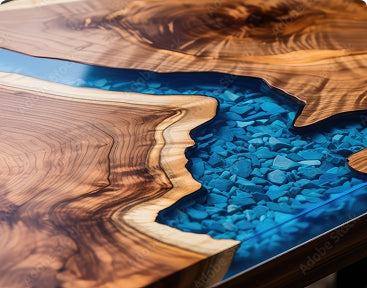
Our extensive range of epoxy resin products offers options for every need and budget, ensuring that you find the perfect fit for your project.
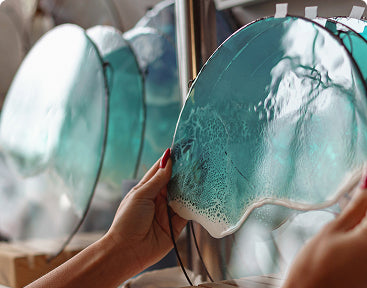
At Epoxy King, customer satisfaction is our priority. We strive to exceed your expectations with our products and service, earning your trust and loyalty.
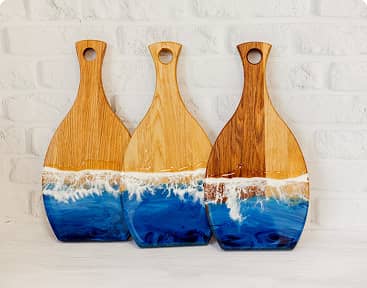
When you choose Epoxy King, you can count on reliable products and dependable service every time. Trust us for all your food-safe epoxy needs and experience the difference.
Here’s a comprehensive FAQ that covers various aspects
Light surface scratches can be removed through wet sanding with progressively finer grits (400, 800, 1500, 2000) followed by polishing compound to restore gloss. This removes a thin surface layer, eliminating minor scratches. Deeper scratches may require filling with additional epoxy or complete resurfacing by sanding the entire surface and applying fresh coating layers. Professional refinishing can restore heavily damaged epoxy countertops, though prevention through proper use and protective practices remains more cost-effective than repeated repairs. Very deep damage extending through to substrate may require complete removal and reapplication.
Granite typically measures 6-7 on Mohs hardness scale, whilst quality scratch resistant epoxy (Shore D 85-90) provides comparable practical scratch resistance for normal countertop use. Engineered quartz rates slightly harder than granite. However, hardness alone doesn't determine performance, epoxy's flexibility prevents chipping that affects stone materials. Granite scratches less from knives but chips more easily from impacts. Premium epoxy offers excellent scratch resistance whilst maintaining some flexibility that absorbs impacts without cracking. Neither material should be used as cutting surfaces, making the practical difference less significant during proper use.
Properly formulated pigments and dyes added at manufacturer-recommended concentrations (typically 3-6% by weight) don't significantly affect scratch resistance or Shore D hardness. The small volume of colourant doesn't substantially alter the cross-linking density that determines hardness. However, excessive pigment loading above recommended levels can interfere with curing reactions and reduce mechanical properties including scratch resistance. Alcohol-based dyes and resin-compatible powder pigments specifically designed for epoxy maintain performance characteristics. Using inappropriate colourants or exceeding loading limits compromises both appearance and durability.
Bar top epoxy typically emphasizes self-leveling properties, high clarity, and enhanced gloss for thicker pours (1/8" to 1/4") that create visual depth. Countertop formulations may prioritize food safety certification, heat resistance, and chemical resistance against kitchen cleaners whilst maintaining similar scratch resistance. Both achieve comparable Shore D hardness (83-90), but bar top products often cure to higher gloss and flow more readily to fill irregular surfaces. Countertop epoxy sometimes includes heat-resistant additives for better performance with occasional hot pan contact. Either works for both applications, though specialized formulations optimize specific performance characteristics.
Initial cure allowing light use occurs within 24-72 hours depending on temperature and formulation, but maximum scratch resistance develops over approximately seven days as cross-linking completes. Light activities like placing dishes or wiping the surface can begin after 48-72 hours when the epoxy feels firm. However, avoid heavy use, dragging objects, or treating the surface roughly during the first week. Full hardness and optimal Shore D ratings develop by day seven. Some installers recommend waiting 10-14 days before intensive use to ensure complete cure and maximum performance, particularly in cooler environments where curing progresses more slowly.
Surfaces that see daily use deserve formulations engineered for long-term durability, not just initial appearance. Epoxy King scratch resistant systems deliver Shore D hardness ratings that withstand real-world abuse while maintaining the crystal-clear finish and high-gloss appearance that makes epoxy countertops and bar tops stunning. Our premium formulations incorporate performance additives and optimized chemistry that separate professional results from disappointing budget products. Stop settling for surfaces that show wear within months, choose scratch resistant solutions proven to last.